Those Who Came to My House
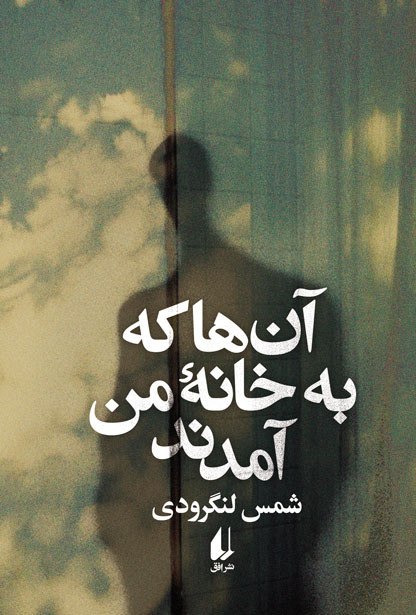
Those Who Came to My House
Written by: Shams Langeroudi
ISBN: 978-600-353-130-7
Published in: 2015
Pages: 120
This title is a haven for readers who are obsessed with detail. The author’s ways of Storytelling starts with another story and mingles into the main narrative. The ever-presence of locations and peoples add to the fluidity of the narration. Though not a short novel, it will remain as a lingering thought after the reader finishes it. The mentioning of real locations, people, bookstores and as such has brought about a familiar sensation of nostalgia for the readers. The element of suspense and the readers’ involvement in the story and the flow of prose makes it an easy read, however, once in a while the author writes a few sentences fundamentally different from the rest; and that adds the element of surprise and a delicious occasional change. The author does not keep the readers waiting, very soon we are faced with a mystery, of which we have only bits and pieces, there’s no apparent villain, and this is an effective trick for engaging the reader. Adjectives are used wisely and do not seem overly descriptive; somehow, it’s the readers responsibility to imagine a world and its people, based on the information the author provides.
The story reaches its climax and gradually, things get out of hand. The protagonist’s struggle to make his friends believe the unbelievable only he can see and hear, is the starting point of his sanity becoming marred and blurred, so far that even we begin doubting everything and everyone in the story. The fear of the unknown is slowly changing the narrator into someone he barely recognizes. It makes him face the inevitable questions of purpose, identity, human responsibility, and the possibility of happiness in life.
Though philosophical in context, his melancholy mind is losing track of its abilities and through this context, it seems possible for the reader to imagine themselves in the narrator’s shoe and feel for his despair. Some stereotypes of intellectual lives which seems void of any meaning and bear hidden traits of identity crisis are masterfully described in Shams Langeroodi’s latest work. At some point it seems like “they” represent various beings or nothing at all, they might not even exist, but in the author’s mind, or perhaps, they are “him”, who
has lost the meaning of being singular.
The truth is that the suffering we experience through the process of writing is never less the real pain itself. I have seen in practice that imagination should in no way be underrated.
Is it possible that my suffering is a result of my delusional hallucinations?